ITR Filing for AY 2026-27: Complete Compliance Guide for Indian Taxpayers

ITR Filing for AY 2026-27
Everything you need to know about filing your income tax return for the financial year 2025-26
Why ITR Filing Matters More Than You Think
Let me be straight with you. Filing your ITR isn't just about following rules. It's about protecting yourself. When you file an ITR, you're creating an official record of your income with the government. This matters for loans, visas, insurance claims, and honestly, your peace of mind.
And here's what I see happen every year: people skip filing because they think they don't earn enough. Wrong. Even if your income is below the taxable limit, filing an ITR can help you claim refunds for TDS deducted from your salary or investments. So what does this mean for you? File anyway.
The financial year 2025-26 (AY 2026-27) has its own rules and deadlines. Miss them, and you're looking at penalties, interest, and a lot of stress. Let's make sure that doesn't happen.
Filing ITR on time helps you build a clean tax history, making it easier to get loans, credit cards, and better insurance rates in the future.
Key Deadlines for AY 2026-27 You Can't Miss
Let's talk about dates. The deadline to file your ITR for AY 2026-27 (covering FY 2025-26) is July 31, 2026. But here's the thing: if you've received a notice under section 139(1) or 142(1), you might get an extended deadline. Still, don't rely on extensions. File early.
| Event | Deadline for AY 2026-27 |
|---|---|
| Normal ITR filing deadline | July 31, 2026 |
| Belated ITR filing deadline | December 31, 2026 |
| Revised ITR filing deadline | March 31, 2027 |
| Tax payment deadline (if applicable) | July 31, 2026 |
Why do these dates matter? Filing by July 31, 2026 keeps you in the clear. File after that but before December 31, 2026, and you're filing a belated return, which comes with a penalty. File after December 31, 2026, and the income tax department can take action against you.
Missing the deadline doesn't mean you're forgiven. Even if you file late, you'll face penalties under section 234F. For 2026-27, that's ₹5,000 for most people. Don't test this.
Which ITR Form Do You Actually Need?
Here's where people get confused. There are different ITR forms, and picking the wrong one is a headache. But honestly, it's not that complicated once you understand what you do.
- ITR-1 (Sahaj): You're a salaried employee or have income from one house property. No business, no capital gains complications. This is the simplest form.
- ITR-2: You have income from multiple sources but no business income. Think salary plus rental income plus investment returns.
- ITR-3: You run a business or profession. Self-employed? Consultant? Freelancer? This is your form.
- ITR-4 (Sugam): You have business income but your turnover is below ₹2 crore. It's simpler than ITR-3 and designed for small business owners.
- ITR-5: You're a partnership firm, LLP, or trust. Not for individuals.
- ITR-6: You're a company. Again, not for individuals.
The basic rule: pick the form that matches your income sources. File the wrong form, and the department will reject it or ask you to refile. Waste of time and stress.
Documents You Need to Gather Right Now
Basically, the better organized you are, the faster you'll finish. Start collecting these now, don't wait until July 2026.
- Form 16 from your employer (if salaried)
- Bank statements showing all deposits and withdrawals
- Investment documents: mutual funds, stocks, bonds, insurance policies
- Property documents if you own rental property
- Business records if you're self-employed: invoices, expense receipts, bank statements
- TDS certificates from banks, employers, or other payers
- Capital gains statements if you sold property or shares
- Loan documents showing interest paid
And here's the thing: don't just collect them. Organize them by category. Create a folder on your computer or phone. Take photos of physical documents. Make your life easier.
Having all documents ready means you can file in under an hour. Without them, you'll spend days hunting for papers and making phone calls.
Step-by-Step Filing Process for AY 2026-27
Let me walk you through this. Filing online is now mandatory for most people, so forget about going to an office.
Step 1: Register on the Income Tax Portal Go to incometaxindiaefiling.gov.in. If you don't have an account, create one using your PAN. Verify your email and mobile number. This takes 5 minutes.
Step 2: Download and Fill the ITR Form Log in, go to e-file, and download the right ITR form for your situation. You can fill it online or download the Excel utility and fill it offline. Many people prefer offline because it's less likely to crash.
Step 3: Validate Your Data Before uploading, validate your return using the offline validation utility. This checks for errors and inconsistencies. It'll save you from rejections later.
Step 4: Upload Your Return Log back into the portal and upload your validated XML file. The system will show you a confirmation page. Save this. You'll need it.
Step 5: Verify Your Return Here's the crucial part. Within 30 days of filing, you need to verify your return using either your Aadhaar OTP, net banking, or by sending a signed physical copy to the IT department. Without verification, your return is incomplete. Many people forget this step.
So what does this mean for you? File by July 2026, but verify by August 2026. Don't leave verification hanging.
An unverified ITR is treated as if you never filed. The department won't process it, and you could face penalties. Always verify within 30 days.
Common Mistakes People Make (and How to Avoid Them)
I've seen these mistakes hundreds of times. Let me save you from them.
Mistake 1: Wrong PAN Entry You'd be surprised how many people enter their PAN incorrectly. One digit wrong, and your return gets rejected. Double-check it three times.
Mistake 2: Mismatched Income Figures Your Form 16 shows ₹5 lakhs, but you report ₹4.5 lakhs on your ITR. The computer flags this immediately. Match your figures exactly.
Mistake 3: Forgetting TDS Credit You paid TDS, but you didn't claim it in your ITR. You lose that refund. Always include TDS certificates and claim the credit.
Mistake 4: Not Disclosing Foreign Assets If you have money abroad, don't hide it. Disclose it in Schedule FA. The penalties for not disclosing are harsh.
Mistake 5: Missing Deadline and Then Panicking You miss July 31, 2026. Then you file in January 2027 without understanding belated return rules. You face penalties that could've been avoided. File on time. Always.
Deductions and Exemptions You Might Be Missing
Here's where you can actually reduce your tax. Many people don't know what they can claim, so they end up paying more than they should.
- Section 80C: Invest in life insurance, PPF, ELSS mutual funds, or fixed deposits. You can deduct up to ₹1.5 lakh from your income.
- Section 80D: Paid for health insurance? Claim up to ₹25,000 for yourself and family, or ₹50,000 if you're above 60.
- Section 80E: Repaying an education loan? Claim the interest you paid. No upper limit.
- Section 24: Own a house? Claim the interest you paid on your home loan. Up to ₹2 lakh.
- Section 80G: Made donations to approved charities? Claim 50% or 100% depending on the organization.
- Standard Deduction: If you're salaried, you get a flat ₹50,000 deduction without showing any proof.
The thing is, these deductions are legal. Use them. They're designed for you.
Claiming all eligible deductions can reduce your taxable income by ₹2-3 lakh, saving you ₹30,000-50,000 in taxes every year. That's real money in your pocket.
What Happens After You File Your ITR
You've filed. You've verified. Now what? Let me tell you what you should expect.
If your return is accepted, you'll get a confirmation within a few days. If there's an issue, the department will send you a notice. Don't ignore it. Respond within the given timeline.
If you're getting a refund, it'll be processed within 3-4 months. The amount will be transferred to your bank account directly. If you owe tax, make sure you pay it by the deadline to avoid interest and penalties.
And here's something important: keep a copy of your filed ITR. You'll need it for loans, visas, and other official purposes. Download it from the portal and store it safely.
Special Situations for AY 2026-27
Some of you are in unique situations. Let me cover a few.
If You Sold Property in 2025-26: You need to report capital gains. If it's a short-term gain (held less than 2 years for immovable property), it's taxed as income. If it's long-term, there's a special tax rate. Get your property documents ready and calculate the exact gain.
If You Have Cryptocurrency or Forex Gains: These are taxed as capital gains now. Disclose them properly. The department is watching this closely.
If You're a Senior Citizen (Above 60): Your tax-free income limit is higher. For AY 2026-27, it's ₹5 lakh (or ₹7 lakh if you have no other income). File anyway to claim refunds on TDS.
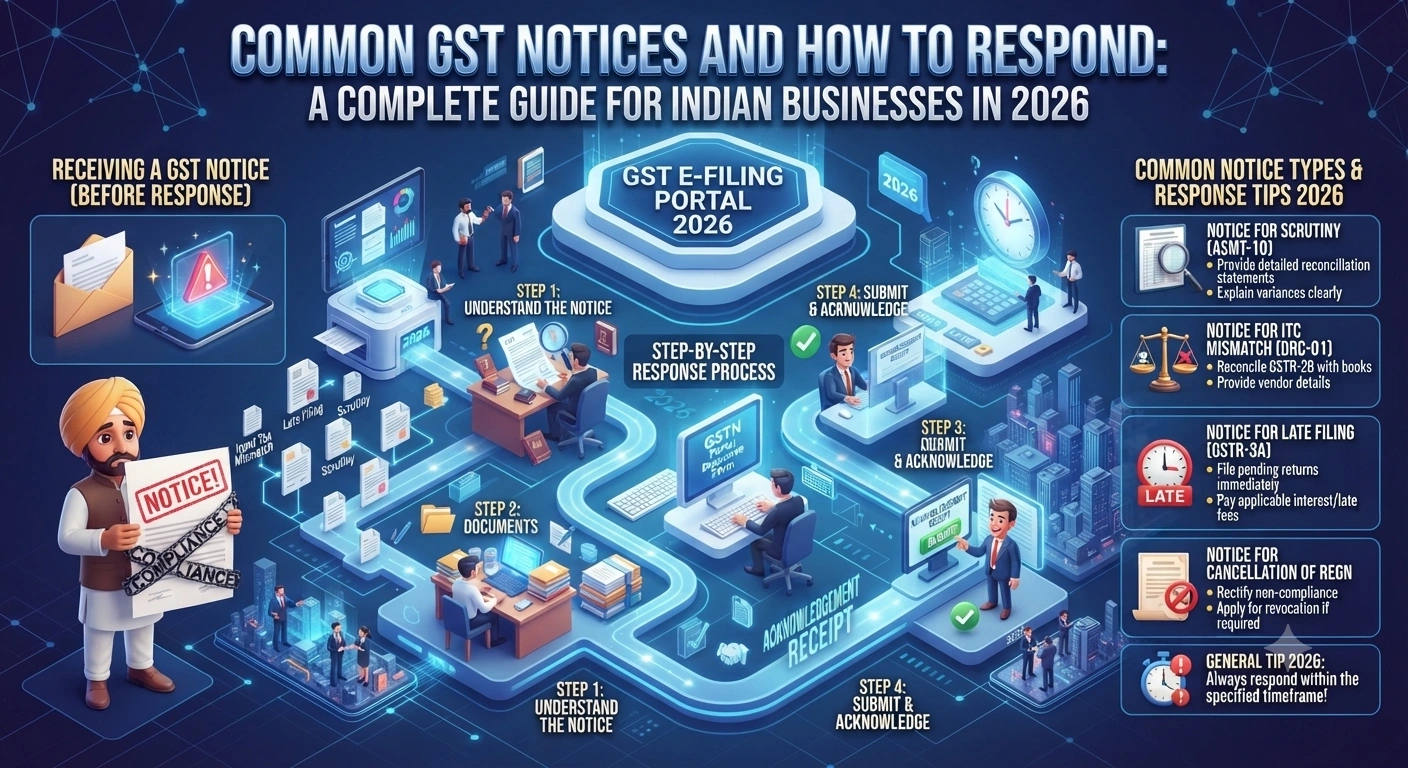
If You Received a Notice: Don't panic. Respond within the given time with all required documents. If you're unsure, get professional help. It's worth it.
Frequently Asked Questions About ITR Filing
Q1: Do I need to file an ITR if my income is below the taxable limit?
Yes, you should. Even if you don't owe tax, filing helps you claim refunds on TDS deducted from your salary or investments. Plus, it builds a clean income tax history.
Q2: Can I file my ITR after the deadline?
Yes, but you'll face penalties. A belated return filed between August 1 and December 31, 2026 comes with a penalty of ₹5,000. Filing after December 31 is even worse.
Q3: What if I made a mistake in my filed ITR?
You can file a revised ITR under section 139(5) before March 31, 2027. But you can't file more than once. So get it right the first time if possible.
Q4: Do I need an accountant to file my ITR?
Not necessarily. If you're salaried with simple income, you can do it yourself. But if you have business income, multiple properties, or complex investments, get professional help. It's worth the fee.
Q5: What's the penalty for not filing an ITR?
Under section 271B, the penalty is ₹5,000 if you don't file within the deadline. But that's just the start. The department can also initiate prosecution proceedings, levy interest on unpaid tax, and disallow future claims. Don't risk it.
Final Thoughts: Make 2026-27 Your Best Filing Year
Filing your ITR for AY 2026-27 doesn't have to be stressful. Plan ahead. Gather your documents now. Understand which form you need. File by July 31, 2026. Verify within 30 days. Done.
And honestly, this is about more than just following rules. It's about taking control of your financial life. When you file your ITR properly, you're building a record of your income, claiming your deductions, and staying compliant with the law. That's peace of mind.
So what are you waiting for? Start organizing your documents. Set a reminder for July 2026. And file on time. Your future self will thank you.
" } ```
© 2026 Tax Esquire | Expert CA Services in Greater Noida, Uttar Pradesh
8810380146 | info.taxesquire@gmail.com | taxesquire.in
This document is for informational purposes only. For personalised tax advice, consult our chartered accountants.