IoT Business in India: Setup, Cost, Licenses & Growth Guide – Tax Esquire
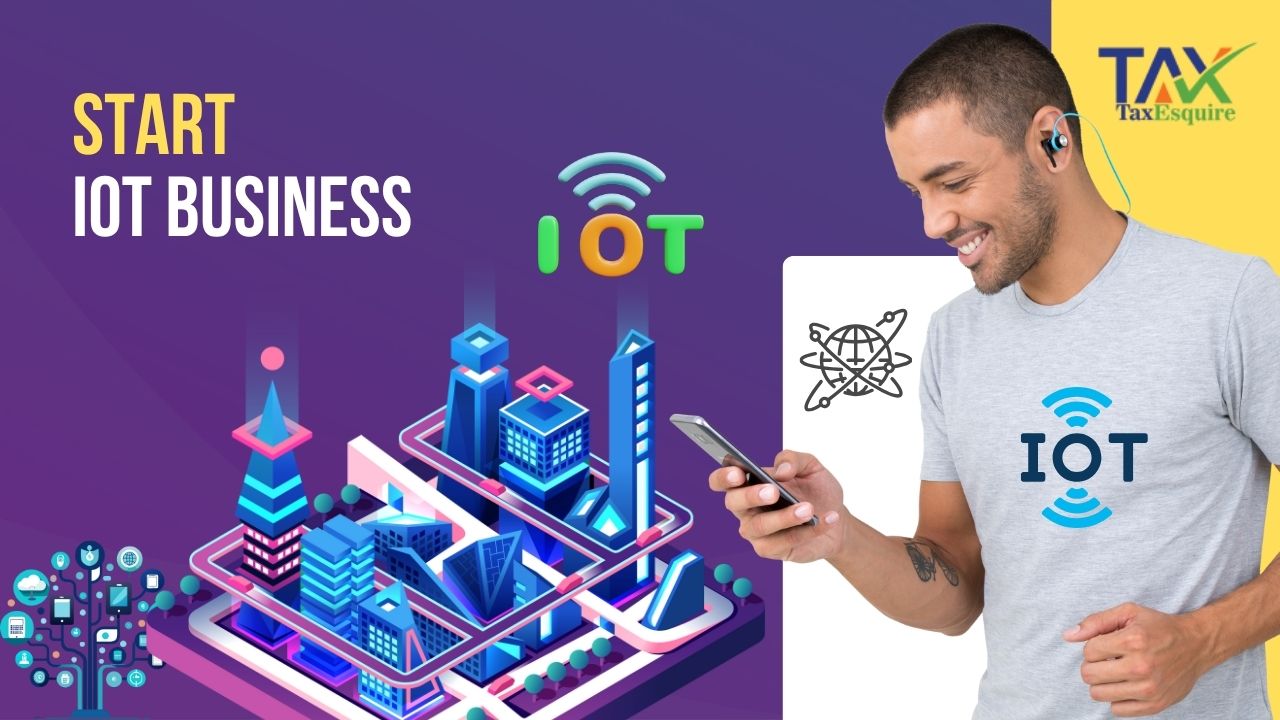
The IoT business, or Internet of Things business, is a technology-driven industry that creates smart devices, sensors, software, automation systems and connected solutions that communicate through the internet to collect, store and transfer data in real time for improving efficiency, safety and convenience across homes, industries, offices and cities. IoT businesses build products such as smart home devices, wearable technologies, industrial automation systems, smart meters, GPS trackers, surveillance equipment, environmental sensors, fleet management systems, healthcare monitoring devices and agricultural IoT tools that help users and industries make intelligent decisions through data insights. As India moves towards digital transformation, smart cities, Industry 4.0 and automation-based solutions, the IoT business has become one of the most profitable and high-growth opportunities in the technology sector. Rising demand for smart devices, increasing internet penetration, cheaper sensors and growing need for automation create huge opportunities for startups, engineers, manufacturers, wholesalers and service providers entering the IoT ecosystem with the right plan and professional support from taxesquire.in.
How to Start an IoT Business in India
Starting an IoT business in India begins with selecting your niche, such as smart home solutions, industrial IoT, healthcare IoT, smart agriculture, GPS tracking, wearable devices or software-based IoT analytics platforms. After choosing your niche, the next step is registering your business legally as a proprietorship, partnership, LLP or private limited company and opening a current account. You must develop a clear business model that explains your IoT hardware, software, sensors, connectivity, cloud solutions and subscription or service revenue. IoT development requires a strong technical team including embedded engineers, IoT developers, firmware experts, cloud developers, electronics technicians and product designers. You must create prototypes, test devices, build mobile apps or dashboards and integrate your product with cloud systems. Finding suppliers for sensors, microcontrollers, chips, PCBs and enclosures is important if you manufacture devices. For reselling or installation-based businesses, you must build vendor and distributor networks. After development, you need to certify your devices, implement data security, design packaging, set up a support team and create marketing strategies. IoT is a trust-based industry, so your business must offer high-quality products, reliability, warranties, after-sales services and transparency to build long-term customer relationships.
Documents Required to Start an IoT Business
An IoT business requires several documents to operate legally and professionally in India. Essential personal documents include Aadhaar card, PAN card and passport-size photographs of the business owner or directors. Business registration documents include certificate of incorporation, memorandum and articles of association, partnership deed, GST registration certificate, and MSME registration. Technical documents include product specifications, PCB drawings, hardware schematics, firmware documentation, device safety certificates and product testing reports. If you manufacture IoT hardware, you may need BIS certification, electronic safety certification and WPC license for wireless devices depending on your product category. Office or lab documents include rent agreement, electricity bill, NOC from property owner and environmental safety documents. Additional documents include Import Export Code (IEC) for importing components, non-disclosure agreements, employee appointment letters, software licensing documents, cloud service agreements and cybersecurity compliance frameworks. Proper documentation builds trust, ensures regulatory compliance and supports business expansion.
Infrastructure Needed for an IoT Business
The infrastructure required for an IoT business depends on the type of IoT products or services you plan to offer. For IoT manufacturing, you need a hardware lab with soldering machines, PCB printing tools, component testing stations, firmware flashing units, oscilloscopes, multimeters, 3D printers, packaging tables, inventory storage and quality testing systems. For software and analytics-based IoT businesses, you need a development center with computers, servers, cloud dashboards, software tools, APIs and data processing systems. For smart home or industrial IoT installation businesses, you need a workshop with tools, wiring equipment, testing kits, IoT gateways, routers and security devices. You also need billing software, CRM systems, accounting software and customer support tools. A strong internet connection, cloud environment, cybersecurity policies, CCTV surveillance and data backup systems are essential for ensuring secure operations in the IoT sector. A professional infrastructure increases product quality, customer trust and operational efficiency.
How Much Does It Cost to Start an IoT Business in India?
The cost of starting an IoT business varies depending on whether it is hardware manufacturing, software development, installation services or analytics. Below is an approximate cost table for a medium-sized IoT business:
Category Approximate Cost (₹) Company Registration & Legal Setup 20,000 – 1,50,000 Hardware Lab/Office Setup 1,00,000 – 10,00,000 Tools, Sensors & IoT Components 50,000 – 5,00,000 Software Development & Cloud Setup 1,00,000 – 10,00,000 Employee Salaries (Developers & Technicians) 50,000 – 3,00,000 monthly Certification & Testing 10,000 – 2,00,000 Marketing & Branding 20,000 – 2,00,000 Inventory & Packaging 20,000 – 3,00,000
Small-scale IoT service businesses like installation and reselling can start with ₹50,000 to ₹2,00,000, while full hardware manufacturing or SaaS-based IoT companies may require ₹10 lakh to ₹1 crore depending on scale.
How to Get Clients for an IoT Business
Getting clients for an IoT business requires a strong digital presence, product demonstrations and industry networking. You must create a professional brand identity, website, product catalog and demo videos. IoT businesses can approach industries like manufacturing units, hotels, offices, residential societies, farms, logistics companies, healthcare centers and retail stores. Partnering with builders, architects, interior designers, automation companies, distributors and retailers helps expand your reach. Running digital ads, attending tech expos, showcasing prototypes, providing free trials and creating whitepapers help attract customers. Offering warranties, after-sales service, AMC plans and real-time support increases customer satisfaction, retention and referrals. Demonstrating real-use cases, reducing energy cost, improving safety and offering automation benefits helps convert clients easily.
Role of a Chartered Accountant in Starting an IoT Business
A Chartered Accountant plays a crucial role in starting and managing an IoT business because the sector involves hardware costs, import duties, software subscription pricing, cloud billing, technical licensing, inventory valuation and intellectual property management. A CA helps select the correct business structure like proprietorship, LLP or private limited company and manages company incorporation, GST registration, MSME registration and accounting setup. CAs prepare financial projections, pricing models, stock valuation, cost analysis for sensors, hardware components and development expenses. They also help obtain Import Export Code (IEC), maintain vendor payments, manage GST refunds on imported components and prepare audit reports. A CA from taxesquire.in ensures accurate monthly accounting, GST filings, income tax filings, payroll management, compliance with tax laws, asset depreciation for technical equipment, inventory management and statutory audits. Their guidance prevents financial risks, improves profitability and supports long-term business stability for IoT entrepreneurs.
Conclusion
Starting an IoT business in India is one of the most powerful and future-ready opportunities due to rapid digital adoption, automation demands, growth of smart devices and government support for smart cities and Industry 4.0. Entrepreneurs must combine strong technical skills, proper documentation, infrastructure setup, financial planning, marketing strategies and customer-focused services to succeed in this industry. With expert financial and compliance support from taxesquire.in, new IoT businesses can launch smoothly, scale effectively and stay legally compliant. IoT is the future of technology, and those who enter early with the right planning can build a highly profitable and long-term sustainable business in India.
| Category | Approximate Cost (₹) |
|---|---|
| Company Registration & Legal Setup | 20,000 – 1,50,000 |
| Hardware Lab/Office Setup | 1,00,000 – 10,00,000 |
| Tools, Sensors & IoT Components | 50,000 – 5,00,000 |
| Software Development & Cloud Setup | 1,00,000 – 10,00,000 |
| Employee Salaries (Developers & Technicians) | 50,000 – 3,00,000 monthly |
| Certification & Testing | 10,000 – 2,00,000 |
| Marketing & Branding | 20,000 – 2,00,000 |
| Inventory & Packaging | 20,000 – 3,00,000 |
© 2026 Tax Esquire | Expert CA Services in Greater Noida, Uttar Pradesh
8810380146 | info.taxesquire@gmail.com | taxesquire.in
This document is for informational purposes only. For personalised tax advice, consult our chartered accountants.