Skills Every Accountant Must Learn in 2026-2027
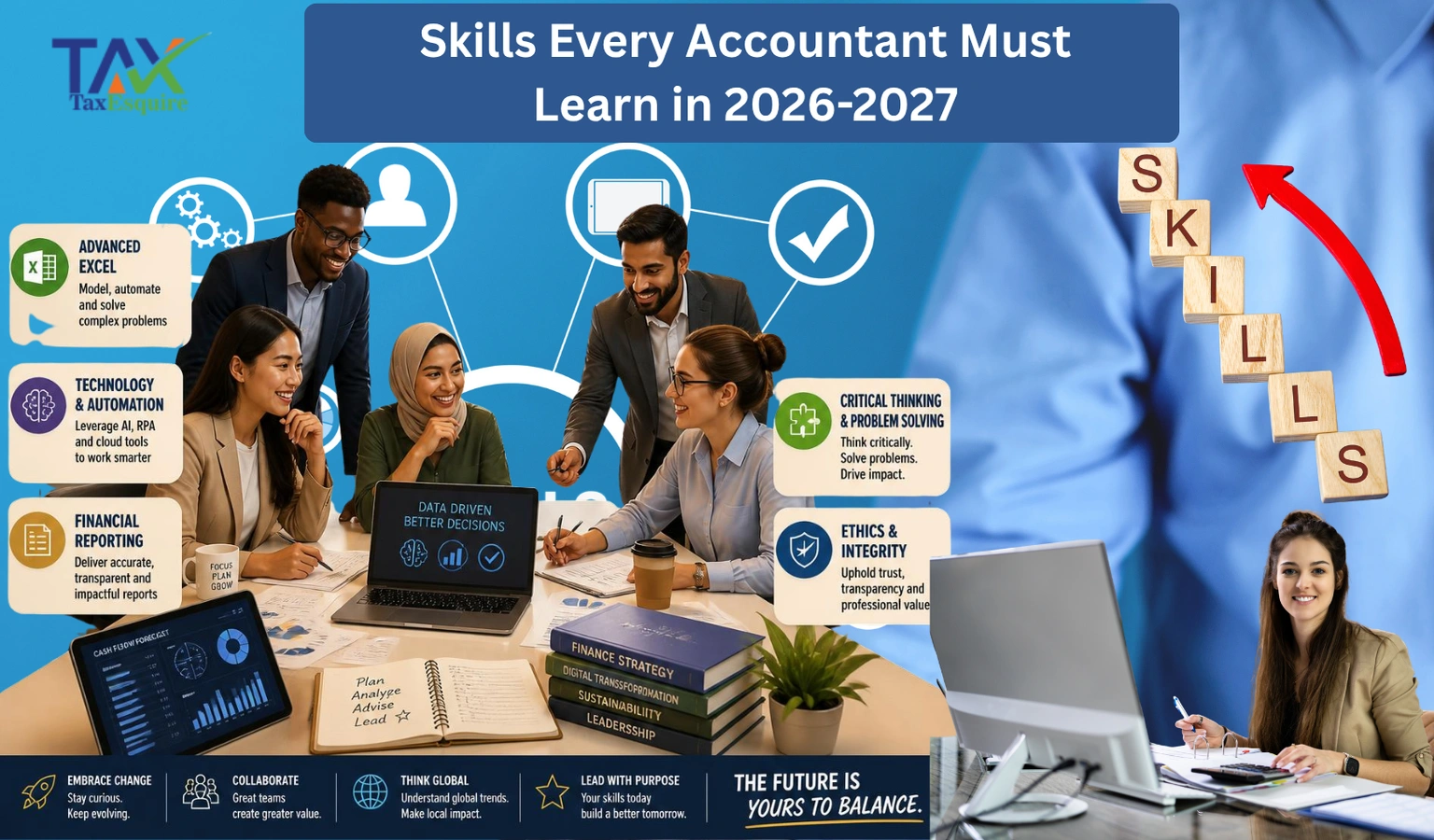
Skills Every Accountant Must Learn
Your complete guide to staying competitive and advancing your accounting career in 2026-2027
Why Accounting Skills Matter More Than Ever
Look, accounting isn't what it was ten years ago. The profession has changed dramatically, and if you're not keeping up, you're falling behind. Automation, AI, and regulatory changes mean that basic bookkeeping skills alone won't cut it anymore.
So what does this mean for you? It means accountants in 2026-2027 need to be part numbers person, part strategist, and part tech expert. The good news? These skills are learnable. And that's really it—you just need to know which ones to focus on.
The thing is, employers today want accountants who can think beyond the balance sheet. They want people who understand business strategy, can communicate with non-finance teams, and aren't afraid of new technology. If you can do that, you're not just employable—you're valuable.
Core Technical Skills You Can't Skip
Let's start with the basics. Technical skills form the foundation of everything you do as an accountant. Without these, you're building on sand.
1. Advanced Excel and Data Analysis
Excel isn't just for entering numbers anymore. Modern accountants need to be Excel power users. I'm talking pivot tables, VLOOKUP, INDEX-MATCH, macros, and data visualization. Put simply, if you're still using Excel like it's a calculator, you're wasting hours every week.
Why? Because data analysis is where the real value lies. You can spot trends, identify discrepancies, and build forecasting models that actually help your business make decisions. Companies in 2026-2027 are willing to pay more for accountants who can turn raw data into actionable insights.
Mastering Excel cuts your reporting time by 40-50%, freeing you up for higher-value strategic work
2. GST, Income Tax, and Compliance Knowledge
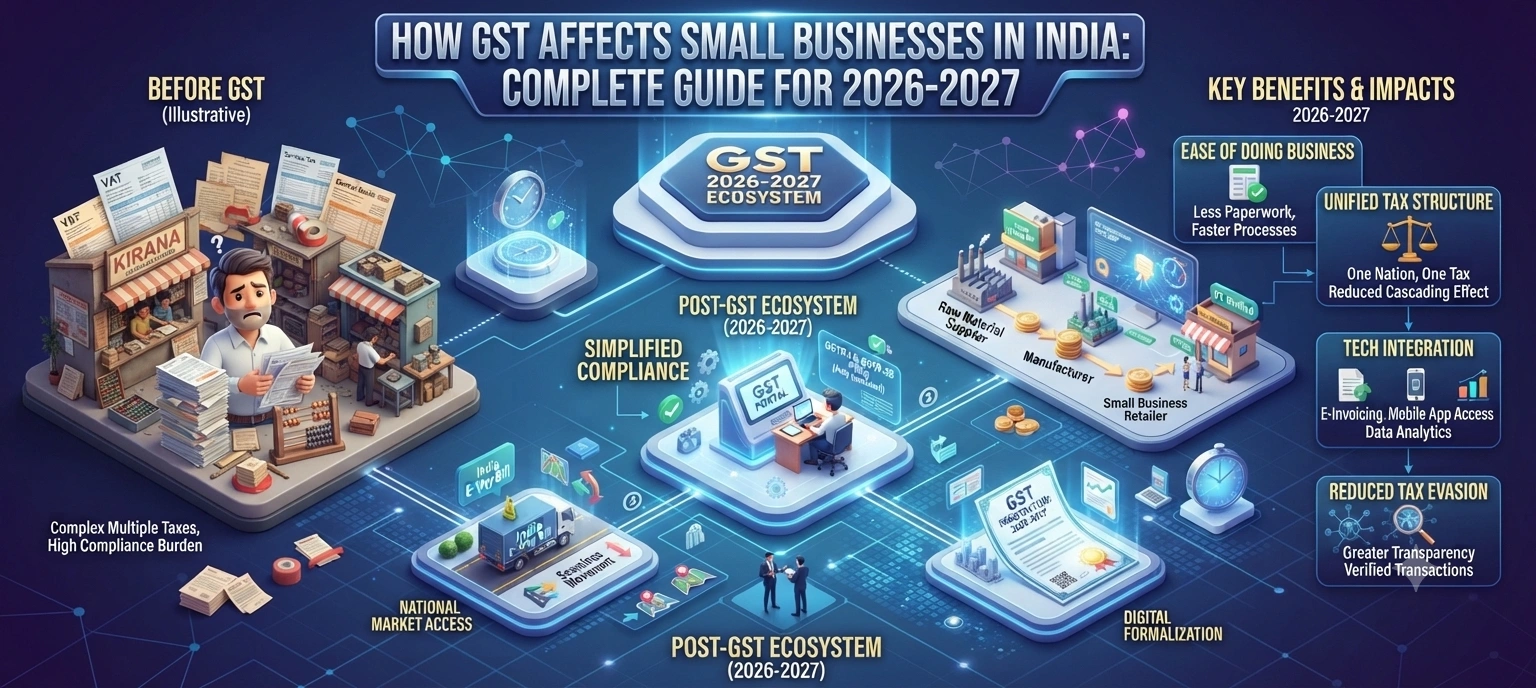
If you're working in India, GST compliance is non-negotiable. And it's not static—rules change constantly. You need to stay updated on GST rate changes, input tax credit rules, and filing requirements. Same goes for income tax, TDS, and corporate compliance.
But here's the thing: compliance isn't just about following rules. It's about helping your clients or employer avoid penalties and optimize their tax position legally. That's where expertise pays off.
- Stay updated on GST amendments and circular notifications
- Understand TDS compliance for different categories
- Know income tax deductions and exemptions thoroughly
- Master ROC compliance for private and public companies
- Track changes in accounting standards and IFRS
3. Accounting Software and ERP Systems
Tally, SAP, Oracle, QuickBooks—the list goes on. And honestly, you don't need to know all of them, but you should be comfortable learning new software quickly. Most companies use some kind of ERP system, and if you can't navigate it, you're stuck.
The real skill here is understanding how accounting flows through these systems. What I mean is, you need to know how transactions are recorded, how reports are generated, and how to troubleshoot when something goes wrong.
Ignoring software training is a career risk. In 2026-2027, manual accounting processes are becoming obsolete. Companies are actively moving away from spreadsheet-based accounting.
Financial Analysis and Strategic Skills
And now we move beyond just recording transactions. Modern accountants need to understand what the numbers mean and how they impact business decisions.
Financial Statement Analysis
Can you read a balance sheet and spot red flags? Can you calculate key ratios and explain what they mean? If not, you're missing a huge piece of the puzzle. Financial analysis isn't just for auditors—it's essential for every accountant.
Understand liquidity ratios, profitability margins, debt-to-equity ratios, and working capital metrics. Better yet, know how to explain these to non-finance people without sounding like a robot.
Budgeting and Forecasting
Companies don't just want accountants to track what happened. They want people who can predict what will happen. Budgeting and forecasting skills are increasingly important, especially in organizations that are growing or facing economic uncertainty.
So what does this involve? Creating realistic budgets, building financial models, understanding variance analysis, and adjusting forecasts based on actual performance. It's part art, part science.
Cost Accounting and Profitability Analysis
Understanding costs is critical. Can you calculate product costs, identify cost drivers, and analyze profitability by product line or customer? These skills directly impact business strategy.
| Financial Skill | Why It Matters | 2026-2027 Relevance |
|---|---|---|
| Ratio Analysis | Identifies financial health and trends | Critical for lending and investment decisions |
| Cash Flow Management | Shows real liquidity position | Essential post-pandemic for all businesses |
| Variance Analysis | Explains deviations from budget | Helps management understand performance gaps |
| Break-Even Analysis | Determines minimum sales needed | Valuable for business planning and pricing |
Digital and Technology Skills
Basically, if you're not developing tech skills, you're betting against the future. Technology is reshaping accounting faster than most people realize.
Automation and RPA (Robotic Process Automation)
You don't need to be a programmer, but you should understand how automation works and where it adds value. Repetitive tasks like invoice processing, bank reconciliation, and data entry are being automated. Accountants who understand this can lead automation initiatives instead of being replaced by them.
What I mean is, you should be thinking about which processes in your organization could be automated and how to implement those changes.
Data Security and Cybersecurity Basics
Financial data is sensitive. You need to understand data protection, secure file handling, and basic cybersecurity practices. This isn't optional—it's a professional responsibility. In 2026-2027, companies are taking data security seriously, and accountants who understand it are more valuable.
Cloud-Based Accounting Tools
Cloud accounting is now mainstream. Tools like Xero, Wave, and NetSuite are changing how accounting work gets done. These platforms offer real-time collaboration, automated reconciliation, and better reporting. If you haven't worked with cloud accounting tools, it's time to start.
Cloud accounting skills make you attractive to startups, SMEs, and modern businesses that are moving away from traditional on-premise systems
Soft Skills That Actually Matter
Here's something many accountants don't realize: soft skills often matter more than technical skills for career advancement. You can be brilliant with numbers, but if you can't communicate or work with others, you'll hit a ceiling.
Communication and Presentation Skills
And this is where many accountants struggle. You need to explain complex financial concepts to people who don't speak accounting language. Can you create a presentation that non-finance people actually understand? Can you write a report that gets read instead of filed away?
These skills are learnable. Practice explaining accounting concepts simply. Learn to use visuals effectively. Get comfortable presenting to groups. These abilities will set you apart from other accountants who hide behind spreadsheets.
Business Acumen and Industry Knowledge
Don't just know accounting—know the business. If you work in manufacturing, understand production processes. If you're in retail, understand inventory management and supply chains. This context makes you a better accountant and a better business partner.
- Understand your company's business model and revenue streams
- Know your industry's key metrics and benchmarks
- Stay aware of industry trends and competitive landscape
- Learn about your company's strategic goals
- Understand how accounting decisions impact business outcomes
Problem-Solving and Critical Thinking
Accounting isn't always black and white. You'll face situations where there's no clear answer. That's when problem-solving skills matter. Can you analyze a complex issue, consider multiple approaches, and recommend a solution? Can you think critically about whether a transaction should be recorded a certain way?
The thing is, this skill improves with practice. Work on case studies, discuss complex scenarios with colleagues, and don't be afraid to challenge assumptions.
Emotional Intelligence and Collaboration
You work with other people. Accountants who understand emotions, can manage conflict, and collaborate effectively are more successful. This includes being able to give and receive feedback, work across departments, and build relationships.
Strong soft skills lead to leadership opportunities, better client relationships, and higher earning potential
Compliance and Regulatory Knowledge
Honestly, this is where accountants add real value. Understanding regulations and helping organizations stay compliant is core to the profession.
Indian Regulatory Framework
If you're working in India, you need to understand the Companies Act 2013, GST law, Income Tax Act, FEMA regulations, and labor laws. In 2026-2027, regulatory changes are happening constantly. Stay updated.
- GST compliance and recent amendments
- Income tax provisions and deductions
- Companies Act requirements for financial reporting
- Audit requirements and standards
- SEBI regulations if working with listed companies
- Labor law compliance and payroll regulations
Audit and Assurance Standards
Understanding SA (Standards on Auditing), ICAI guidelines, and internal audit principles is important even if you're not an auditor. These standards shape how accounting is done and what's expected.
Internal Controls and Risk Management
Every organization needs controls to prevent fraud and errors. Can you design controls? Can you evaluate whether existing controls are working? This skill is increasingly valuable as organizations focus on risk management.
Regulatory knowledge becomes outdated quickly. If you're not reading regulatory updates regularly, you're putting your organization at risk. Make compliance reading a habit in 2026-2027.
Continuous Learning and Professional Development
And here's the reality: whatever skills you have today won't be enough in five years. The accounting profession is evolving. Accountants who commit to continuous learning stay relevant and earn more.
Certifications Worth Pursuing
Consider certifications that add real value. CA (Chartered Accountant), CMA (Cost Management Accountant), CPA if you're planning international work, or specialized certifications in GST, transfer pricing, or forensic accounting. These aren't just credentials—they show commitment to your profession.
Online Courses and Skill Development
Platforms like Coursera, Udemy, LinkedIn Learning, and ICAI's own offerings provide affordable ways to learn new skills. Don't wait for your employer to train you. Take charge of your development.
Staying Updated with Industry Changes
Read accounting journals, follow regulatory bodies like ICAI and CBDT, join professional groups, and attend webinars. Put simply, make learning a regular part of your routine.
Frequently Asked Questions
Q1: Which skill should I learn first if I'm just starting my accounting career?
Start with strong fundamentals in accounting standards and GST compliance. Then move to Excel and accounting software. Technical skills are your foundation. Soft skills and strategic knowledge come later as you grow.
Q2: Is coding necessary for accountants in 2026-2027?
No, you don't need to be a programmer. But understanding how automation works and being able to communicate with IT teams is helpful. If you're interested in RPA or automation, learning basic Python or VBA can be useful, but it's not mandatory.
Q3: How often do I need to update my compliance knowledge?
At least quarterly. Tax laws, GST rules, and accounting standards change regularly. Subscribe to ICAI updates, follow CBDT notifications, and join professional groups. Make it a habit to spend at least two hours per week on regulatory updates.
Q4: Can soft skills really make a difference in my accounting career?
Absolutely. Many accountants get stuck because they're good with numbers but can't communicate or lead. If you want to move into management, finance leadership, or consulting, soft skills are just as important as technical skills. Some would argue they're more important.
Q5: What's the best way to develop financial analysis skills?
Practice. Start by analyzing your own company's financial statements. Compare your company to competitors. Work through case studies. Take online courses on financial modeling. The more you practice, the better you'll get. And don't just learn the mechanics—understand what the numbers mean for the business.
Creating Your Skills Development Plan
So what does this mean for you right now? Don't try to learn everything at once. That's a recipe for burnout. Instead, create a focused plan.
First, assess where you are. What skills do you already have? What gaps exist? Second, prioritize. What skills matter most for your current role and future goals? Third, commit to a timeline. Decide when you'll develop each skill and how much time you'll invest.
Here's a practical approach: spend 60% of your development time on technical and compliance skills, 25% on digital and technology skills, and 15% on soft skills. Adjust based on your role and goals, but this balance works for most accountants.
And honestly, the best time to start was yesterday. The second best time is today. Don't wait for the perfect moment. Start learning now, even if you can only dedicate a few hours per week.
Final Thoughts
The accounting profession is changing rapidly. Accountants who adapt and develop new skills will thrive. Those who don't will struggle. The choice is yours.
In 2026-2027, being a good accountant means more than knowing accounting. It means understanding business, communicating effectively, using technology confidently, and staying compliant with regulations. It means thinking strategically and solving problems creatively.
The good news? All these skills are learnable. You don't need to be a genius. You just need to be committed to continuous improvement. Start today. Pick one skill from this article and commit to developing it over the next three months. Then pick another. Before you know it, you'll be a more valuable, more confident, and more successful accountant.
" } ```
© 2026 Tax Esquire | Expert CA Services in Greater Noida, Uttar Pradesh
8810380146 | info.taxesquire@gmail.com | taxesquire.in
This document is for informational purposes only. For personalised tax advice, consult our chartered accountants.