GST Compliance for Indian Businesses in 2026: Complete Guide for CA Professionals

GST Compliance for Indian Businesses in 2026
Master every aspect of GST compliance this year with practical insights and real-world examples
Why GST Compliance Matters More Than Ever in 2026
Look, GST compliance isn't just about following rules. It's about protecting your business, your clients, and your reputation. The GST network has become incredibly sophisticated, and the tax authorities now have real-time data at their fingertips.
And here's the thing—non-compliance can cost you dearly. We're talking penalties, interest, and in serious cases, criminal action. So what does this mean for you? It means getting your GST house in order right now, before 2026 brings new challenges.
I've worked with hundreds of businesses, and the ones that stay ahead are those who treat GST compliance as a core business function, not an afterthought.
Proper GST compliance builds trust with your business partners, banks, and investors. It also opens doors to government incentives and makes audits smooth and stress-free.
GST Registration: Who Needs It and How to Get It
Let me break down the registration requirements first. In 2026, you need GST registration if your annual turnover crosses the threshold. For most businesses, that's 40 lakhs. For special category states, it's 20 lakhs.
But here's what catches people off guard—some businesses need to register even below these thresholds. Supply of services, e-commerce operations, and certain other activities have their own rules.
- Businesses with turnover above 40 lakhs (general category)
- Businesses in special category states above 20 lakhs
- All service providers regardless of turnover
- E-commerce operators
- Casual taxable persons and non-resident taxable persons
- Persons making supplies to unregistered dealers
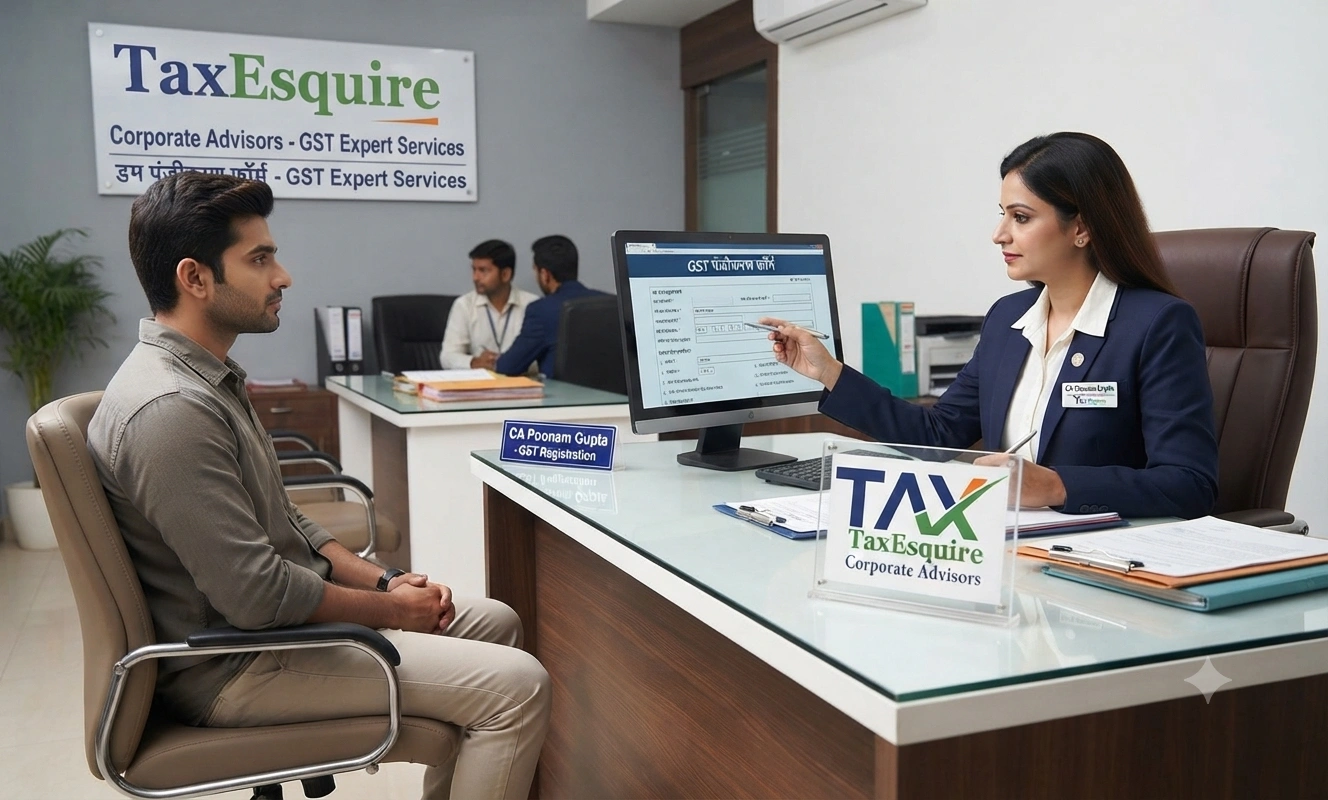
The registration process is straightforward now. You go to the GST portal, fill Form GST REG-01, upload your paperwork, and wait for approval. Most registrations happen within 3-5 working days.
What I mean is, there's no excuse for delays. The system's fast, the process is clear, and you get your GSTIN almost immediately.
Don't delay registration thinking you're below the threshold. Operating without GST registration when you should have it can lead to penalties up to 10% of tax due, plus interest and potential prosecution.
Understanding GSTR Filing Requirements
The GSTR forms are where most people get confused. But honestly, once you understand what each form does, it's not that complicated.
GSTR-1 is your outward supplies form. You file this to tell the government what you sold. GSTR-2A is what the government shows you based on what your suppliers reported. GSTR-3B is your monthly summary.
| Form | Purpose | Filing Frequency |
|---|---|---|
| GSTR-1 | Outward supplies (sales) | Monthly by 11th |
| GSTR-2A | Inward supplies (purchases) | Auto-generated monthly |
| GSTR-3B | Monthly return summary | Monthly by 20th |
| GSTR-4 | Quarterly (composition scheme) | Quarterly |
| GSTR-9 | Annual return | Yearly by Dec 31 |
The deadlines in 2026 are strict. GSTR-1 goes by the 11th of the next month. GSTR-3B is due by the 20th. Miss these, and you're looking at penalties.
But here's something most people miss—you can file late GSTR-1 with penalties, but your credit won't be available to buyers until you file it. So your suppliers lose input tax credit, and that creates a chain reaction of problems.
Filing on time ensures your buyers get their input tax credit immediately, building goodwill and strengthening your business relationships. It also keeps your GST profile clean for future audits.
Input Tax Credit: What You Can and Can't Claim
This is where most businesses lose money. They don't claim credit they're allowed to, or they claim credit they shouldn't.
You can claim input tax credit on goods and services used for making taxable supplies. That includes raw materials, packaging, rent, electricity, and professional services. But there are exceptions.
- Personal consumption items (no credit)
- Motor vehicles for personal use (no credit)
- Food and beverages for staff (no credit unless for resale)
- Goods or services for exempt supplies (no credit)
- Supplies made without a valid invoice (no credit)
- Capital goods used in manufacturing (yes, you can claim)
And that's really it. The rule is simple—if it's used to make taxable supplies, you can claim it. If it's not, you can't.
Let me give you a real example. A manufacturing company buys raw materials for 1 lakh with 18% GST. That's 18,000 rupees in input credit. They also buy a company car for 10 lakhs with 5% GST. That's 50,000 rupees, but they can't claim it if the car is used for personal travel by directors.
The GST system now has cross-checking mechanisms. If you claim input credit that doesn't match your supplier's filing, you'll get a notice. Fraudulent credit claims can result in prosecution.
GST Penalties and Interest: What Costs What
The penalty structure in 2026 is designed to encourage compliance. But it's also strict, so let's look at what you're facing if things go wrong.
| Violation | Penalty |
|---|---|
| Late GSTR-3B filing | Interest at 18% per annum on tax due |
| Late GSTR-1 filing | Interest at 18% per annum from due date |
| Failure to register (when required) | 10% of tax due, minimum 10,000 rupees |
| False invoices | 100% of tax involved plus criminal prosecution |
| Fraudulent credit claim | Up to 100% plus criminal action possible |
So what does this mean practically? If you file GSTR-3B 10 days late and owe 50,000 rupees in tax, you're paying 2,500 rupees in interest just for being late. That's money you could've kept.
The bigger issue is false invoices and fraudulent claims. These aren't just penalties—they're criminal matters. You're looking at imprisonment up to 5 years and fines up to 25,000 rupees or more.
The good news? If you file on time and honestly, you won't face any penalties. The GST system rewards compliance. Plus, timely filing keeps your credit score clean for future loans and investments.
Best Practices for GST Compliance
Basically, good compliance comes down to systems and discipline. You need processes that catch mistakes before they become problems.
- Maintain accurate invoice records with all required details (GSTIN, HSN code, tax rate)
- Reconcile GSTR-2A with your purchase records monthly
- Review GSTR-1 before filing to catch discrepancies
- Keep all supporting documents for at least 6 years
- Use GST-compliant accounting software
- File returns on or before the due date, not after
I've seen businesses save thousands by simply implementing a monthly reconciliation process. It takes 2-3 hours but catches errors before they snowball.
And here's something nobody talks about—train your team. Your accounts staff need to understand GST rules. They're your first line of defense against compliance failures.
Investing in good GST practices now saves you from expensive audits, penalties, and legal battles later. It also makes your business attractive to investors and lenders who value compliance.
GST Audits and Notices: What to Expect in 2026
The GST authorities are getting smarter. They're using data analytics to spot patterns and discrepancies. So what does this mean for you?
If your GSTR-1 consistently shows lower sales than what your suppliers reported, you'll get a notice. If your input credit ratio seems off, you'll get a notice. The system catches these things automatically now.
When you get a notice, don't panic. You have 30 days to respond. Provide supporting documents, explanations, and corrections if needed. Most notices are resolved quickly if you have proper documentation.
But here's what I've learned—the businesses that handle audits smoothly are those with good records. If you have invoices, delivery notes, and bank statements backing up every transaction, you're in a strong position.
Don't ignore GST notices. Silence is treated as acceptance of the notice, and you'll face penalties. Always respond within the given timeframe, even if just to request an extension.
Common GST Mistakes and How to Avoid Them
I've worked with enough businesses to know the mistakes happen repeatedly. Let me save you from making them.
First mistake: Wrong HSN codes. HSN codes determine your tax rate. Use the wrong code, and you're paying the wrong tax. The authorities catch this, and you're liable for the difference plus interest and penalties.
Second mistake: Claiming credit without proper invoices. You need an original, valid invoice from a registered supplier. If they're not registered, you don't get credit, period.
Third mistake: Not tracking exempted supplies separately. If you make both taxable and exempt supplies, you need to segregate them. Your input credit on common expenses gets apportioned, and getting this wrong costs money.
Fourth mistake: Filing returns late consistently. Missing deadlines once is a mistake. Missing them every month is negligence, and the authorities treat it as such.
Fifth mistake: Not updating your registration when things change. You move to a new address, add a new place of business, or change your business structure? You need to update your GST registration. Not doing so invalidates your registration.
- Set calendar reminders for all GST deadlines
- Use updated HSN code lists from the GST council
- Keep invoices organized and indexed
- Review your registration details annually
- Use accounting software with GST built-in
Special Schemes: Composition and Simplified Returns
If you're a small business, the composition scheme might work for you. You pay a fixed percentage of turnover as tax instead of calculating it on each transaction.
Who's eligible? Businesses with turnover up to 1.5 crores in the previous year. The rates are 1% for traders, 5% for manufacturers, and 6% for service providers.
But here's the catch—you can't claim input credit under the composition scheme. So if you're in manufacturing and your inputs are high, composition might not save you money.
The simplified return scheme is different. It's for businesses with turnover up to 20 crores. You file simplified GSTR-9 instead of detailed GSTR-9A. It reduces compliance burden.
Composition scheme and simplified returns reduce your compliance burden significantly. If you qualify, they're worth exploring with your CA to see if they save you money.
FAQs on GST Compliance
Q1: What happens if I don't file GST returns?
Your registration can be canceled. You'll face penalties, interest on unpaid tax, and potential criminal prosecution if the amount is substantial. Plus, you won't be able to buy goods with input credit from registered suppliers.
Q2: Can I amend my GST returns after filing?
Yes, but it's complicated. You can file amended returns within 2 years, but the process involves reversing the original entry and filing a new one. It's better to get it right the first time.
Q3: What's the difference between GSTR-2A and GSTR-2?
GSTR-2A is auto-generated based on what your suppliers filed in GSTR-1. GSTR-2 was the original form you'd file, but it's been replaced. Now you just accept or dispute GSTR-2A entries in GSTR-3B.
Q4: How long do I need to keep GST records?
You need to keep all GST-related documents for at least 6 years from the date of transaction. This includes invoices, delivery notes, payment receipts, and bank statements.
Q5: What's the penalty for issuing a bill without GSTIN?
If you're registered and issue an invoice without your GSTIN, it's not a valid tax invoice. Your buyer can't claim credit, and you're liable for the tax. Plus, you face penalties for issuing invalid invoices.
Q6: Can I claim input credit on rent paid in cash?
Yes, but you need a valid invoice from your landlord showing their GSTIN. If they're not registered, you can't claim credit. And increasingly, the authorities want to see proof of payment through banking channels.
Moving Forward: Your GST Compliance Roadmap for 2026
So here's what you need to do right now. First, audit your current GST compliance. Check if you're registered when you should be. Review your last 12 months of returns for errors or missing filings.
Second, set up systems. Whether it's software, spreadsheets, or a combination, you need a way to track invoices, reconcile returns, and monitor deadlines. The system should be foolproof.
Third, educate your team. Your finance staff, operations team, and anyone handling invoices need to understand GST basics. One person making repeated mistakes can create a compliance nightmare.
Fourth, get professional help. Whether it's a CA firm or a GST consultant, having someone who understands the nuances is worth every rupee. They'll save you from costly mistakes.
And that's really it. GST compliance isn't rocket science. It's about being organized, staying updated, and filing on time.
Businesses that prioritize GST compliance enjoy faster loan approvals, better business relationships, and peace of mind. They also position themselves for growth without worrying about compliance risks.
Final Thoughts
GST compliance in 2026 isn't harder than before—it's actually more straightforward with better systems and clearer rules. But it does require discipline and attention to detail.
The businesses that struggle are those that treat GST as a burden. The ones that succeed treat it as a normal part of operations. They have systems, they file on time, and they keep good records.
If you're not there yet, start now. Don't wait for a notice or penalty to wake you up. Get organized, get help if you need it, and commit to doing it right. Your business will be stronger for it.
" } ```
© 2026 Tax Esquire | Expert CA Services in Greater Noida, Uttar Pradesh
8810380146 | info.taxesquire@gmail.com | taxesquire.in
This document is for informational purposes only. For personalised tax advice, consult our chartered accountants.